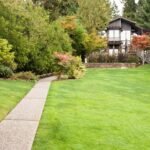
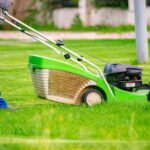
Who does not love a garden that looks tidy and smells fresh? But keeping it that way can be tough when life gets busy. Weeds can double in size in a week, and grass can grow up to 5 cm a day during spring. Plants also need watering, pruning, and care at the right time.
Smart homeowners like you know it is easier to get help from Service Krew. We make sure your lawn stays green, your trees stay healthy and your property always looks welcoming. Keep reading, and we will tell you about 10 essential garden maintenance tasks to keep your garden healthy!
10 Essential Garden Maintenance Tasks for Busy Property Owners
- Mow Your Lawn Based on Growth Rate
A fixed mowing schedule sounds simple. But grass does not grow on a schedule. It responds to weather, water and sunlight. During rainy weeks your lawn can grow very fast. But, during dry weeks it may barely grow at all.
What to do
- Check the height of your grass before mowing. Let it grow slightly taller than your normal level.
- Then trim only the top portion. This helps the roots stay strong.
- Keep your mower height consistent. Changing height too often shocks the lawn and creates uneven patches.
What you need
- Use a mower with adjustable height settings.
- Make sure the blades are sharp. Sharp blades cut clean. Dull blades tear the grass and cause brown tips.
Watch out
Avoid mowing right after rain. Wet grass sticks together and blocks airflow. This can leave your lawn uneven and messy.
2. Water Your Lawn Using the Cycle and Soak Method
Most people water their lawn in one long session. This often leads to water runoff. The soil cannot absorb everything at once. So a lot of water gets wasted. The roots also stay shallow.
What to do
- Water your lawn in short sessions. Let the water soak into the soil. Then start again after a short break.
- Repeat this cycle two or three times. This allows water to reach deeper into the ground.
What you need
- Use a sprinkler with even coverage.
- A hose timer can make this process automatic and save you time.
Watch out
- Do not water during the hottest part of the day. Water can evaporate before it reaches the roots.
- Avoid watering at night. Wet grass sitting overnight can lead to fungal problems.
3. Edge First to Control Lawn Spread
Grass does not stay in one place. It slowly spreads into walkways and garden beds. If you ignore it, your garden starts to lose its clean shape.
What to do
- Trim the edges before mowing.
- Focus on areas along driveways, paths and flower beds.
- Once edges are clean, mow the lawn to create a finished look.
What you need
- Use a string trimmer or a lawn edger.
- Choose one that is easy to handle and control.
Watch out
Do not cut too deep along the edges. This can expose soil and damage nearby roots.
4. Spot-Treat Weeds Before They Spread
Weeds grow fast. But they are easiest to remove when they are small. If you wait too long to take weed out, it turns a simple job into a big one.
What to do
- Walk through your garden once a week.
- Look for small weeds in thin grass areas.
- Pull them out with the roots.
- You can also use a weed killer like Ortho WeedClear Lawn Weed Killer or Weed B Gon Weed Killer if pulling is not enough. They kill weeds like dandelions and clover without harming your lawn.
What you need
- Use a hand weeder for deep-rooted weeds.
- Keep a small spray bottle ready for quick treatment.
Watch out
- Do not spray a weed killer near flowers or garden beds.
- Always read the label and check if it matches your grass type.
- You should not spray the weed killer when temperatures are too high.
5. Loosen Soil in High Traffic Areas Only
Soil gets compacted in areas where people walk often. This blocks air and water from reaching the roots. Grass in these spots starts to weaken.
What to do
- Identify areas near walkways or seating spaces.
- Loosen the soil in those spots using a simple tool.
What you need
- Use a garden fork or manual aerator.
- Push it into the soil and gently lift to create space.
Watch out
- Do not aerate when the soil is very dry.
- Hard soil makes the process difficult and less effective.
6. Apply Mulch Only Where It Saves Time
Mulching the whole garden can take hours. But you do not need to do that. The real benefit comes from placing mulch in the right spots.
What to do
- Add mulch around the base of plants and shrubs.
- Focus on areas that dry out quickly or grow weeds often.
What you need
Use organic mulch like bark or wood chips. These improve soil quality over time.
Watch out
Do not place mulch directly against plant stems. This can trap moisture and cause rot.
7. Do a Weekly Plant Health Scan
Most plant problems start small. They show early signs before becoming serious. If you catch them early, you save time and effort.
What to do
- Look closely at your plants once a week. Check leaves for spots, holes, or discoloration.
- Turn leaves and check underneath for pests.
What you need
- Use gloves.
- A small magnifier can help you see tiny details.
Watch out
Do not ignore these signs:
- Yellow patches in the grass
- Small brown spots on leaves
- Tiny holes on the leaves
- Leaves starting to curl
These are often the first signs of pests, disease or watering issues. If you act at this stage, the fix is usually simple. You may only need to adjust watering, remove a few affected leaves or treat a small area. If you wait, the problem can spread across the lawn.
8. Clean Your Tools Regularly
Your tools affect how your garden looks. Dirty or dull tools damage plants and spread disease.
What to do
- Clean your tools after each use.
- Remove dirt and plant residue.
- Sharpen blades regularly so they cut smoothly.
What you need
- Use a wire brush to clean tools.
- Use a sharpening stone or file for blades.
- Use disinfectant spray when needed.
Watch out
Do not store tools while they are wet. This causes rust and reduces their lifespan.
9. Adjust Fertilizing Based on Weather Conditions
Fertilizing at the wrong time can do more harm than good. Weather affects how nutrients are absorbed by the soil.
What to do
- Apply fertilizer during mild weather.
- Use slow release fertilizer for steady feeding.
What you need
Use a broadcast spreader like Scotts Turf Builder EdgeGuard Mini Spreader for medium to large lawns. It spreads fertilizer evenly as you walk. For smaller areas, a handheld spreader like Scotts Whirl Hand-Powered Spreader works well.
- Fill the spreader with the recommended amount of fertilizer.
- Set the spreader dial based on the instructions written on the fertilizer bag.
- Walk at a steady pace across your lawn in straight lines.
- Slightly overlap each pass so no area gets missed.
Watch out
Do not fertilize before heavy rain as the nutrients can wash away before reaching the roots.
10. Do a Quick 15-Minute Check
You do not need hours to keep your garden in shape. A smart 15-minute weekly routine can prevent problems from piling up. Plus, it can keep your lawn and plants healthy.
What to do
- Walk through your garden with a small basket or bag. Pick up fallen leaves, twigs and any debris that can block sunlight or trap moisture.
- Check your lawn for uneven patches or thinning grass. Lightly rake these areas to loosen soil and remove dead grass.
- Inspect your plants for tiny pests like aphids or spider mites. If you spot them, spray an insecticidal soap like Safer Brand Insecticidal Soap on affected leaves.
- Do a quick trim on any plants or shrubs that are starting to overgrow.
What you need
- A leaf blower for debris.
- A garden bag to collect leaves and twigs.
- Hand pruners or garden scissors for trimming.
- Insecticidal soap or organic neem oil spray for small pest issues.
Watch out
Do not try to do everything at once. Focus on visible problem areas and high-traffic zones first.
4 Biggest Garden Maintenance Mistakes Busy Property Owners Should Avoid
| Mistake | Why It Happens | How to Avoid It |
| Planting Too Many Sun-Loving Plants in Shaded Areas | Owners often buy plants without checking sunlight needs. Thus, plants fail to grow or die quickly. | Check how much sunlight each area gets. Choose shade-tolerant plants for darker areas. |
| Overwatering in Certain Spots | People water evenly without checking soil type. Heavy clay areas stay soggy and roots rot. Sandy areas dry too quickly. | Test soil in different zones. Water clay-heavy areas less and sandy areas more. Use a soaker hose or drip system for watering your lawn precisely. |
| Using Too Much Chemical Treatment at Once | Overuse of herbicides, fungicides or pesticides happens when owners panic about weeds or pests. This can harm grass, plants and beneficial insects. | Spot-treat only affected areas. Use products like Ortho WeedClear for weeds or Safer Brand Insecticidal Soap for pests. |
| Neglecting Lawn Edges and Corners | Many owners focus on the center of the lawn and forget the edges. | Trim the edges of your lawn weekly with a string trimmer or hand edger. |
How Can You Maintain Your Garden in Just 30 Minutes a Week?
- Walk through your garden. Collect fallen leaves, twigs and small branches. Use a small basket or garden bag.
- Look at leaves, stems and flowers. Try to notice any yellowing, curling or spots.
- Use hand pruners or scissors to cut back any branches, shrubs or plants that are growing over other plants.
- Pull out small weeds by hand.
- Measure grass height and mow if needed.
- Check dry spots in your lawn and garden beds. Water only where needed using a hose or soaker system.
5 Signs You Should Hire a Professional Garden Maintenance Service
- If your grass grows unevenly, has bare spots or keeps developing moss.
- If trimming has become difficult and your hedges or shrubs look messy.
- If certain areas stay soggy or flood after it rains.
- If your soil washes away after rain or slopes develop bare patches.
- If you grow unusual plants, roses or perennials that require precise pruning, fertilizing and pest control.
Why Busy Homeowners Trust Service Krew
Keeping a garden healthy and a property looking its best takes time and effort. That is why so many busy homeowners turn to Service Krew. Our goal is to leave every garden, tree and property better than we found it.
We serve homes and businesses across Tauranga, Te Puna, Aongatete, Omokoroa, Katikati, Omanawa, Oropi, Papamoa, Te Puke and Paengaroa.
What makes us different?
We provide customized services for each property, such as:
- Tree felling and removal
- Tree trimming and pruning
- Hedge trimming
- Garden tidy-ups
- Green waste removal
- Professional lawn mowing
Our team uses modern commercial-grade equipment and eco-friendly products to get the job done efficiently and safely.
You can expect:
- We stick to reliable schedules and keep you informed every time.
- We follow safety-first practices on every job.
- We provide consistent, long-term care for your property.
.
Frequently Asked Questions
- Can I trim my shrubs without damaging them?
Yes. You should trim only overgrown branches and remove dead leaves.
- What is the best time to water my garden?
You should water in the early morning or late evening. This prevents water from evaporating too quickly.
- How can I prevent moss in shaded areas?
You should remove dead leaves and improve airflow. You can use moss killer if it keeps coming back.
- Should I cut all the weeds at the same height as my grass?
You should not. Pull weeds carefully to avoid spreading seeds and hurting your grass.
- What is the easiest way to check soil health quickly?
You should take a handful of soil. It should crumble easily and smell earthy.
- Can I book a one-time garden tidy-up with Service Krew?
Yes. You can book one-time or regular garden maintenance based on your needs.
- Do you remove green waste after maintenance?
Yes. You do not need to worry about cleaning. We take care of all green waste removal.